Technology
The instruments behind the insight.
Predictive maintenance is not one technology — it is knowing which measurement catches which failure mode, and reading them together. These are the tools Flashpoint brings to Carolinas plant floors, and what each one actually does.
 IR
IRInfrared Thermography
Heat is the earliest symptom most equipment ever shows.
Every electrical connection and mechanical component radiates a thermal signature. A calibrated infrared camera reads that signature without contact, while equipment runs at load — revealing loose or corroded connections, overloaded conductors, failing breakers, misaligned couplings, and starved bearings as heat, long before there is smoke, a trip, or a failure. Trended over time, temperature tells you not just what is hot, but what is heading the wrong direction.
How Flashpoint uses it: A certified thermographer scans switchgear, MCCs, and rotating equipment during every combined electrical + mechanical assessment — one visit, both disciplines.
 IR
IRVibration Analysis
Every rotating machine writes its condition into its vibration signature.
Accelerometers capture machine motion; spectrum analysis decomposes it into frequencies that map to specific faults — bearing wear, imbalance, misalignment, mechanical looseness, gear damage, resonance. Read correctly, a spectrum tells you which component is degrading and roughly how much time you have. That is the difference between a planned bearing swap during a scheduled outage and a seized shaft at two in the morning.
How Flashpoint uses it: Vibration routes are built with the electrical system in mind — because a bearing fault that keeps coming back is often a voltage imbalance nobody has looked for.
 IR
IRAirborne Ultrasound
Some failures make noise you can't hear — for months.
Ultrasonic instruments detect high-frequency sound outside human hearing: compressed-air and gas leaks, electrical arcing, tracking and corona in energized equipment, and early-stage bearing distress before it registers on a vibration spectrum. Because leaks are pure operating cost and arcing is a pre-fault warning sign, an ultrasound survey frequently pays for itself in found savings alone.
How Flashpoint uses it: Used for compressed-air leak surveys and as an electrical screening tool on enclosed gear — hearing trouble before deciding whether a panel needs to be opened.
 IR
IRMotor Circuit Analysis
A motor's electrical health is measurable — de-energized, from the cabinet.
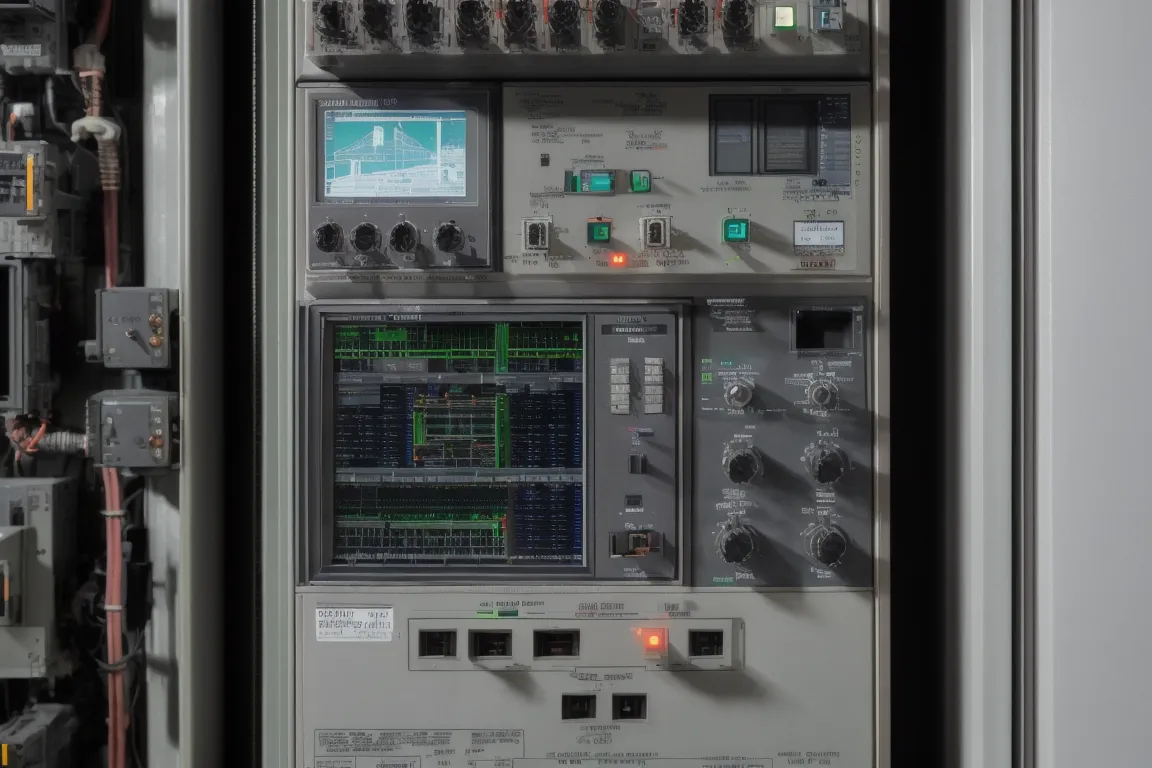
MCA injects low-voltage test signals through the motor circuit to measure resistive and inductive imbalance, insulation-to-ground condition, contamination, and rotor faults — from the starter cabinet, without uncoupling the machine. Trended over time, it catches winding degradation years before failure and takes the guesswork out of the repair-or-replace decision.
How Flashpoint uses it: Applied to critical motors during assessments and repeat-failure troubleshooting — especially where the pattern suggests the machine isn't the problem, the circuit is.
 IR
IRPower Quality & VFD Diagnostics
When power is the root cause, no amount of mechanical work fixes it.
Power quality analysis records voltage imbalance, harmonics, transients, and sags at the panel over real operating cycles — and finds electrical problems masquerading as mechanical ones: VFD harmonics that cavitate pumps, imbalance that cooks one phase of every motor on a bus, transient events that quietly degrade insulation. Variable frequency drives add failure modes of their own, from reflected-wave stress to bearing damage from shaft currents.
How Flashpoint uses it: This is the electrical half of E+M diagnostics: power data read alongside vibration data, so the root cause lands on the correct side of the motor.
 IR
IROil Analysis
The oil has been everywhere inside the machine. Ask it.
Laboratory analysis of a lubricant sample reads wear-metal particles (which component is shedding and how fast), particle counts, water and coolant ingress, viscosity change, and additive depletion. A trended sampling program detects gear and bearing wear early, catches contamination before it becomes damage, and extends drain intervals based on evidence instead of the calendar.
How Flashpoint uses it: Sampling programs are specified for critical gearboxes, hydraulics, and lubricated assets — and results are interpreted alongside vibration data, never in isolation.
 IR
IRLIDAR Facility Scanning
Most plants run on drawings that stopped being true years ago.
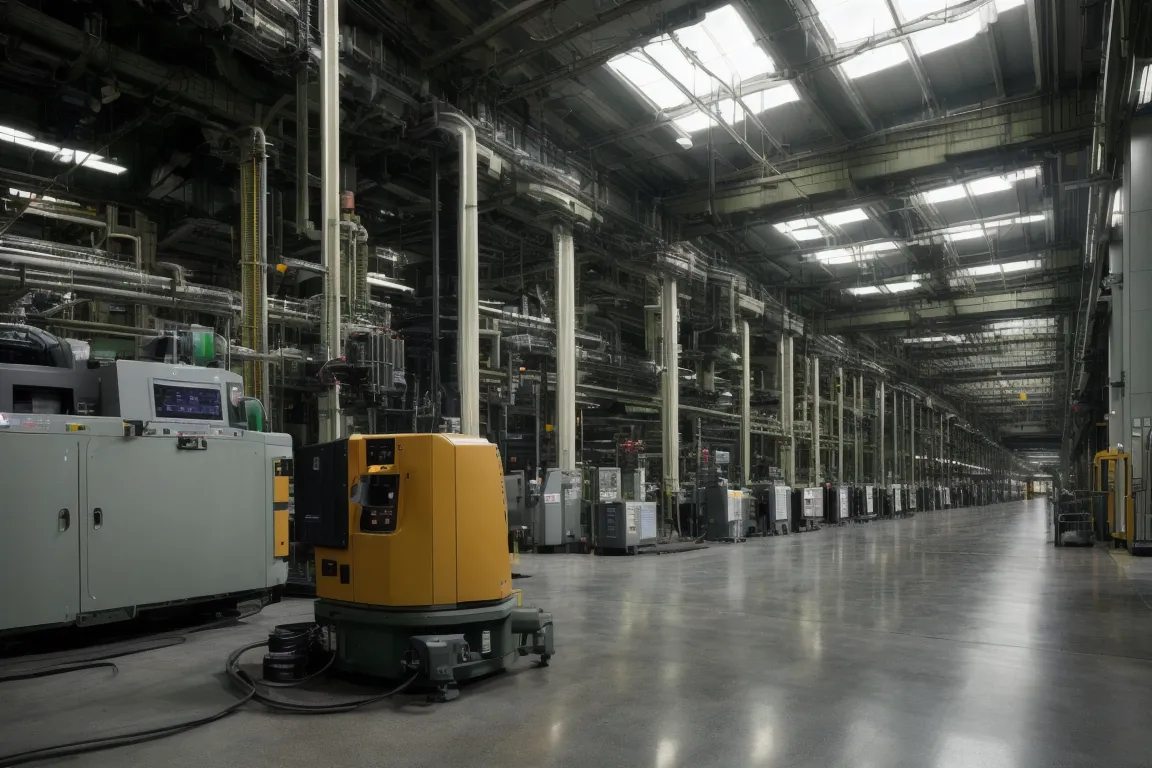
LIDAR sweeps a space with laser pulses and returns a millimeter-accurate 3D point cloud of everything exactly as it exists today. A walkthrough captures entire electrical rooms and process areas in minutes — as-built geometry no legacy drawing set can match. That reality capture becomes the foundation for locating equipment, planning installations, and deploying labels that actually match the study.
How Flashpoint uses it: Scanning rides along on assessment visits — it is the raw capture behind the Facility Digital Twin & Asset Mapping service.
 IR
IRDigital Twins
Your arc flash study says MSP-7. A digital twin shows you where MSP-7 is.
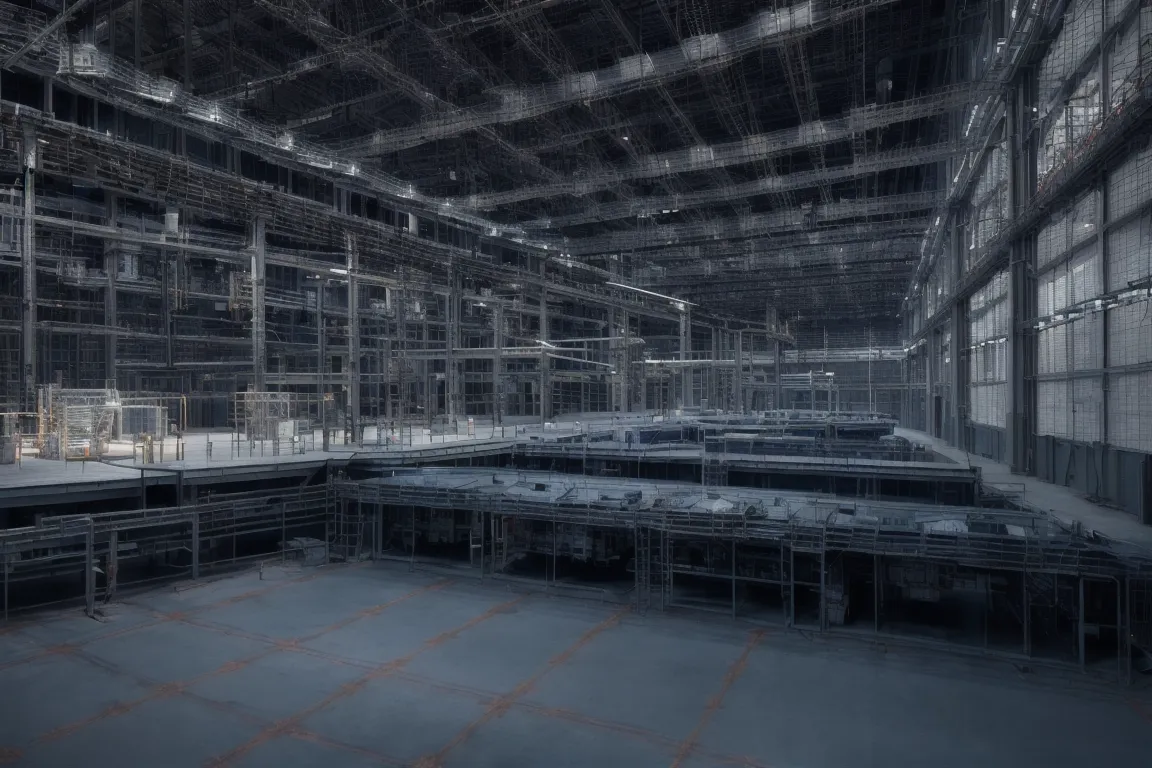
A digital twin is a navigable model of your facility with operational meaning attached to every asset. Built from LIDAR capture, it puts every piece of switchgear, every panel, MCC, and disconnect in its true location — tagged, photo-referenced, and cross-linked to study line items and maintenance records. A clickable map replaces tribal knowledge: the new contractor, the new technician, and the next study all find the right equipment on the first try.
How Flashpoint uses it: Delivered as the Facility Digital Twin & Asset Mapping service — every electrical asset located, tagged, and cross-referenced to your arc flash study.
 IR
IRWireless Sensor Networks (LoRa)
The assets too far, too many, or too awkward to walk monthly — instrument them.
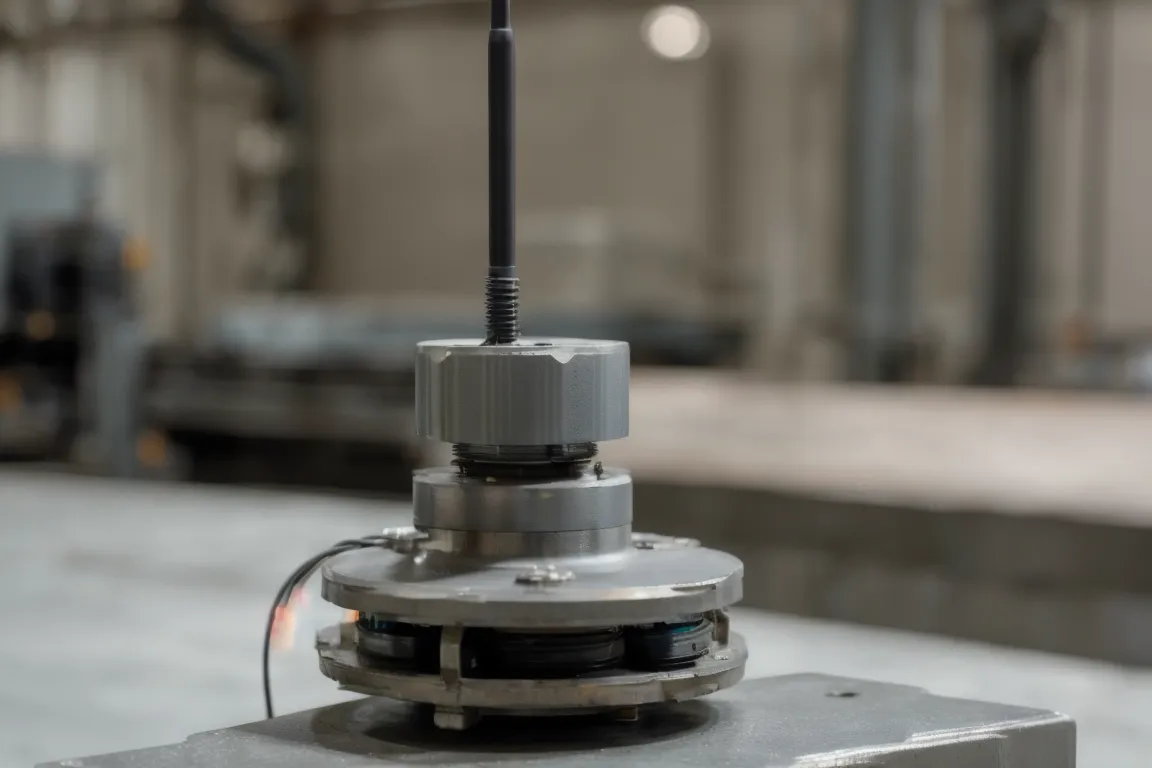
LoRa (long-range, low-power) wireless lets small battery-powered sensors report temperature, vibration, humidity, and run status for years from places where pulling wire is impractical — across large plants and through heavy industrial construction. Continuous coverage between site visits, at hardware costs far below wired instrumentation, is how a route-based program grows into a continuous one.
How Flashpoint uses it: Wireless condition sensors are specified vendor-neutrally where the criticality ranking justifies them — coverage where walking a route doesn't reach.
 IR
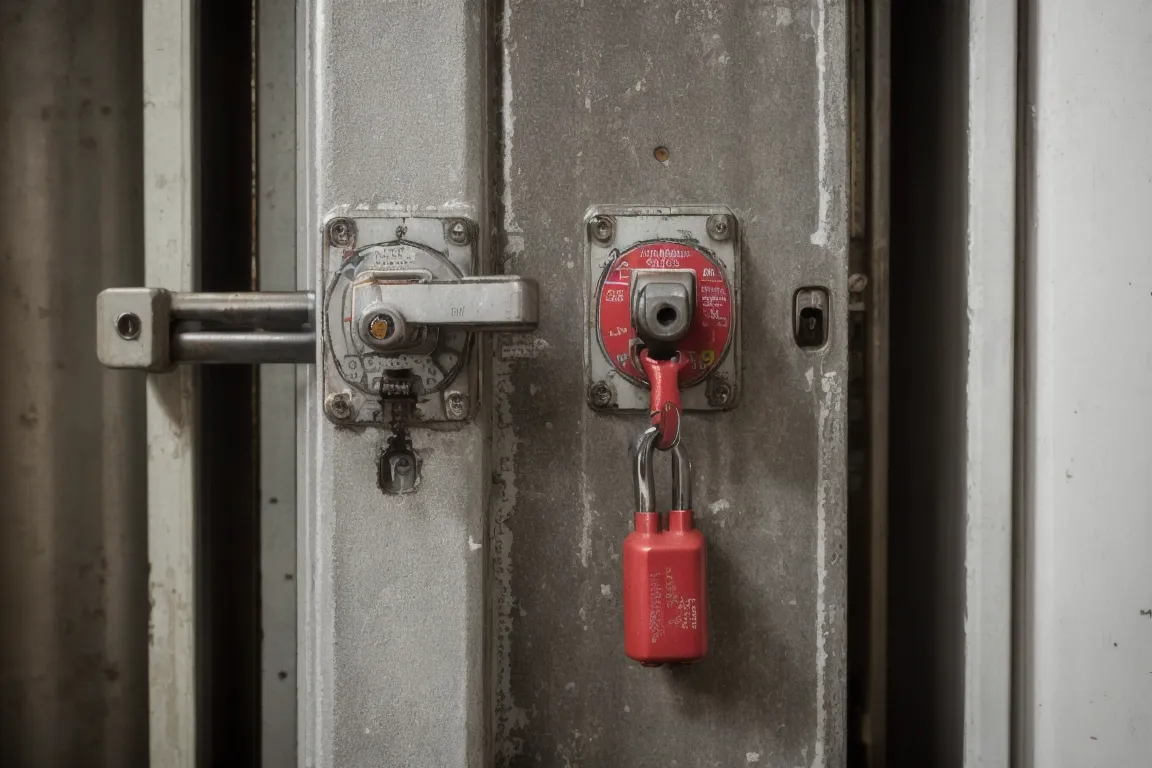
IRLOTO & Startup / Commissioning
The riskiest hours of a machine's life are its first ones — and every service window after.
Lockout/tagout is what makes de-energized work survivable and auditable — and it only works when procedures are written per asset, not from a generic template. On the startup side, commissioning support verifies torque, insulation, rotation, and protective-device settings before and during first energization, catching infant-mortality failures while they are still cheap. Most equipment failures cluster at startup; disciplined commissioning is where reliability programs actually begin.
How Flashpoint uses it: LOTO procedure development and startup/commissioning support draw on 25+ years of energization work, from hyperscale datacenters to a solar gigafactory.
Also in development: continuous switchgear thermal monitoring for early pilot partners — ask about pilot availability.
Curious which of these your plant actually needs?
The readiness assessment answers exactly that — priority-ranked, vendor-neutral, ROI-projected.
Start a scoping conversation